A home’s climate is more than just a reading on a digital thermostat. It is a complex, delicate balance of airflow, insulation, humidity management, and structural integrity. For many homeowners, achieving the perfect indoor environment feels like a constant battle against the elements. When a room feels stifling in July or drafty in January, the instinctive reaction is to simply crank up the air conditioning or turn up the furnace. However, relying solely on mechanical adjustments to force a comfortable climate is a costly and inefficient strategy.
When you ignore the hidden structural leaks, failing components, and outdated materials that compromise your home, you force your heating and cooling equipment to work twice as hard. This not only drives up your monthly utility bills but also accelerates wear and tear on your equipment, leading to premature system failures. True indoor climate comfort requires a holistic approach. By combining optimized climate control systems with targeted exterior and interior structural maintenance, you can seal in your preferred temperature, control ambient humidity, and create a truly consistent living space.
Calibrate Your Cooling System Before Peak Summer Heat
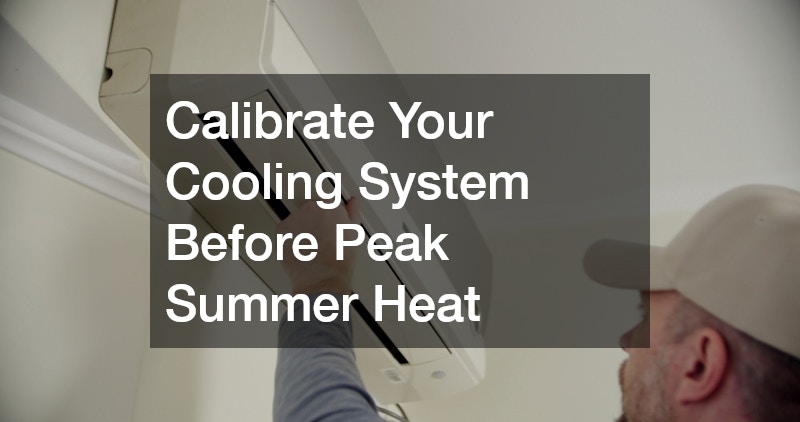
To keep your home cool without breaking the bank, routine maintenance must be performed before the summer heat hits its peak. Clean airflow is the lifeblood of any cooling system. When air paths are blocked, your equipment must run much longer cycles to achieve the target temperature, which spikes indoor humidity and causes uneven cooling across different rooms.
- Change filters regularly: Replace or clean your air filters every 30 to 90 days, depending on whether you have pets or allergies. Clogged filters restrict airflow and force the system to strain.
- Clear the outdoor footprint: Maintain at least a two-foot clear zone around your outdoor condenser unit. Remove weeds, leaves, overhanging branches, and grass clippings that can insulate the unit and trap heat inside it.
- Inspect the condensate line: Look for standing water or signs of algae growth in the drainage line. A clogged line can cause water backup, shut down your system completely, or introduce unwanted moisture into your home’s air supply.
If your system is blowing lukewarm air, cycling on and off rapidly, or making loud rattling sounds, it is time to call professionals who provide specialized HVAC services. Routine professional checkups can reveal hidden refrigerant leaks or failing electrical capacitors before they cause a total system breakdown on the hottest day of the year. Investing in regular air conditioning services guarantees that the refrigerant charge is exact and the internal coils are spotless, optimizing the heat transfer process that keeps your home crisp and comfortable.
Address Heating Inefficiencies Early in the Fall
Just as cooling systems need attention before summer, your heating equipment requires a thorough inspection before winter settles in. A malfunctioning heater does more than just leave you shivering; it can actively compromise your indoor air quality and household safety.
- Listen for warning signs: Take note of any unusual banging, whistling, or screeching sounds when the heat kicks on. These noises often point to loose belts, worn bearings, or delayed ignition.
- Test the system early: Turn on your heat in the early autumn for at least fifteen minutes. This allows you to verify that the system responds accurately to the thermostat and helps burn off any dust accumulated over the summer.
- Check vent registers: Walk through your home to ensure that all supply and return vents are open and completely unobstructed by furniture, rugs, or drapes.
If your system fails to reach the set temperature or emits a persistent, strange odor, contacting a reliable furnace repair company is essential. Professional technicians can inspect the heat exchanger for dangerous micro-cracks that could leak carbon monoxide into your breathing air, clean the burners for a more efficient flame, and calibrate the gas pressure to ensure you receive maximum warmth from every therm of energy used.
Upgrade Leaky Panes to Eliminate Drafts and Hot Spots
Old, single-pane windows or units with degraded weatherstripping act as energy vacuums. In the winter, precious heat bleeds outward through the glass, while chilly outdoor air slips inside around the frame. In the summer, the process reverses, turning window glass into a radiant heater that creates localized hot spots.
- Perform a draft audit: On a windy day, light an incense stick and hold it near your window frames. If the smoke blows horizontally or dances erratically, you have an active air leak.
- Check for seal failures: If you notice persistent fogging or condensation trapped between double-paned glass, the insulating gas has escaped, rendering the window ineffective.
- Look for structural rot: Examine wooden frames for signs of soft spots, mold, or peeling paint, which indicate that moisture is invading the assembly.
When frames are warped or the glass is completely uninsulated, simple caulking is only a temporary band-aid. Selecting a comprehensive window replacement is often the best long-term choice for climate stability. Modern double or triple-pane windows feature low-emissivity coatings that reflect infrared light, keeping interior heat inside during winter and bouncing harsh solar energy away during summer.
Utilize Passive Light Management to Reduce HVAC Strain
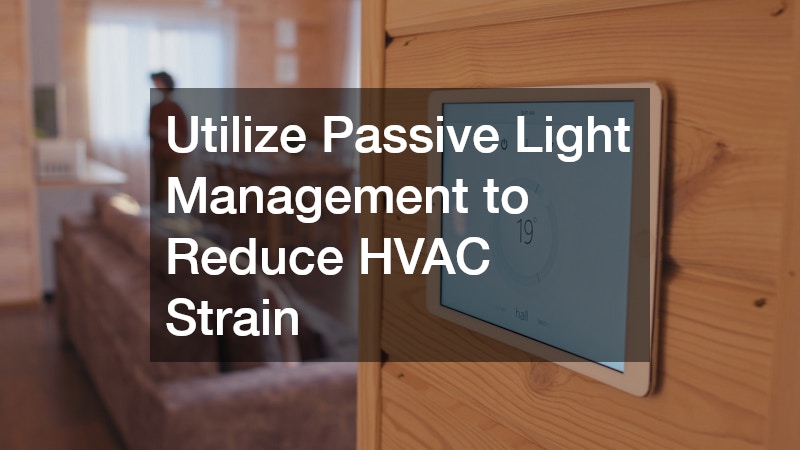
While structural upgrades are vital, how you manage the light entering your rooms also plays a significant role in climate control. Sunlight streaming through unprotected glass can rapidly raise indoor temperatures, creating an artificial greenhouse effect that forces your cooling system to run constantly.
- Coordinate with the sun: Keep window coverings fully closed on south- and west-facing windows during hot summer afternoons to block radiant heat.
- Harness winter solar gain: In the winter, open your window treatments during sunny days to let natural solar heat warm your rooms, then close them at dusk to add an extra layer of insulation against the night chill.
- Inspect mechanical operations: Ensure your current window treatments adjust easily so you can respond quickly to changing weather conditions throughout the day.
Installing high-quality custom blinds allows you to control the exact angle of incoming sunlight, directing heat away from living areas while still enjoying natural illumination. By selecting materials with high thermal resistance, you create a functional barrier directly over the glass, significantly reducing the cooling load on your mechanical systems.
Inspect and Seal the Roof to Manage Attic Temperatures
Your roof bears the brunt of direct solar radiation. During summer, an unventilated or poorly insulated roof can cause attic temperatures to soar above 130 degrees Fahrenheit. This intense heat eventually migrates downward through the ceiling, making upstairs bedrooms uncomfortable and hard to cool.
- Scan for structural damage: Use binoculars to inspect your roof from the ground for missing, cracked, or curling shingles after severe wind or hailstorms.
- Monitor attic ventilation: Ensure that ridge vents, attic fans, and soffits are completely clear of insulation blankets or bird nests so hot air can escape freely.
- Check for water stains: Look at your upper-level ceilings for water spots or discoloration, which indicate a roof leak that could ruin your attic insulation.
When structural integrity compromises your attic space, working with a skilled roofing contractor is paramount. A professional can fix leaks, replace degraded underlayment, and ensure your roof ventilation system balances intake and exhaust airflow properly. This keeps attic temperatures closer to ambient outdoor levels, reducing heat transfer into your living space.
Enhance Wall Insulation and Stop Siding Air Infiltration
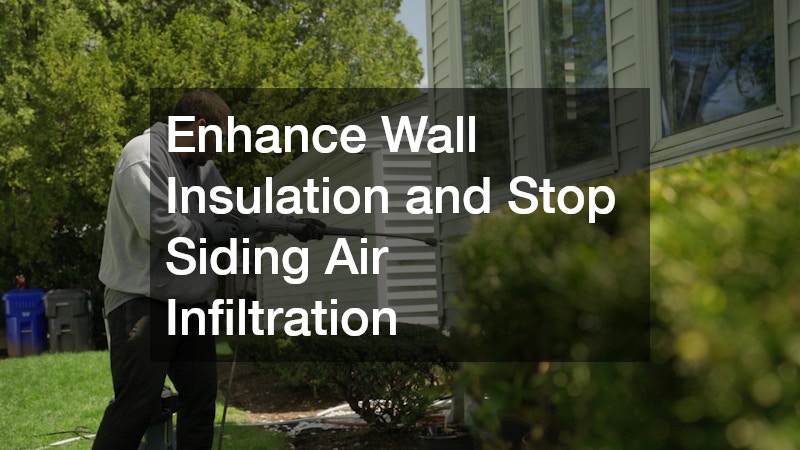
Just as the roof protects your home from above, your exterior walls protect your living spaces laterally. Siding that has warped, cracked, or pulled away from the wall sheathing allows wind to penetrate the framing studs, creating drafty rooms and allowing external humidity to seep into your drywall.
- Examine exterior seams: Walk the perimeter of your house and check the joints where different siding panels meet, looking for gaps or buckling.
- Seal utility penetrations: Use exterior-grade expanding foam or silicone caulk to seal openings where pipes, cables, and electrical lines enter your walls.
- Watch for interior wall moisture: If certain exterior-facing interior walls feel unusually cold to the touch or show peeling paint, moisture may be migrating through the siding.
For homes with aged, failing wood or vinyl siding, traditional repairs may not offer enough thermal protection. Opting for a professional stucco over siding service can transform your home’s thermal performance. This process seals existing air leaks and adds a continuous, durable layer of material that acts as a true thermal break, eliminating the structural drafts that make indoor temperatures fluctuate.
Insulate and Seal the Home’s Largest Moving Wall
An attached garage is a common source of indoor climate frustration. Because garages are rarely tied directly into the central heating and cooling system, they experience extreme temperature swings. If the wall between your garage and your living space is not perfectly sealed, those extreme temperatures will easily migrate into your home.
- Inspect the bottom weatherseal: Check the rubber gasket at the base of your garage door. If it is cracked, torn, or flattened, it will allow cold air currents to sweep across the garage floor.
- Check perimeter weatherstripping: Look for gaps along the top and sides of the door frame when the garage door is fully closed.
- Test the door’s balance: A misaligned door will not close tightly against the ground, leaving a permanent gap for air exchange.
If your garage door is constructed of thin, uninsulated metal, it acts like a giant radiator, transferring outdoor temperatures right into the space. Utilizing professional garage door services to tune up your tracks, adjust tension springs, or replace an outdated door with a modern, foam-insulated model can stabilize garage temperatures. This protects adjacent living areas and rooms located directly above the garage from seasonal temperature swings.
Stabilize Living Space Temperatures by Repairing Subfloor Structural Shifts
The foundation of your home plays an unexpected role in your daily indoor comfort. When soil expands, contracts, or settles unevenly, it can cause small structural shifts that create gaps between your foundation walls and the subfloor framing, allowing raw outdoor air to enter.
- Monitor floor behavior: Pay attention to any new slants, dips, or bouncy spots in your hardwood or carpeted floors, which can indicate shifting supports below.
- Look for foundation cracks: Inspect basement or crawlspace walls regularly for stair-step cracks in brickwork or long horizontal fractures in poured concrete.
- Assess basement humidity levels: If your basement suddenly smells musty or feels damp, outside air and moisture are likely finding a way inside through the foundation.
When outdoor moisture and air seep through foundation gaps, it creates a stack effect, pulling cold, damp air up through your floorboards during the winter and hot, humid air during the summer. Working with an experienced foundation repair company allows you to lift sagging supports, fill structural cracks, and seal the perimeter. This stops unwanted air infiltration at the lowest point of your home, keeping your floors warmer in the winter and your living spaces less humid in the summer.
Audit Your Electrical Panel for Heavy Climate Demands

When heating and cooling equipment cycles on, it draws a significant amount of electrical current. If your electrical panel is outdated or your circuits are overloaded, you may experience voltage drops that strain your climate systems, causing them to run inefficiently or shut down unexpectedly.
- Watch your lights: If your overhead lights flicker or dim momentarily whenever the air conditioning or electric heat turns on, your system is straining your electrical panel.
- Check breaker health: Take note of breakers that trip frequently during extreme weather months when your heating or cooling systems run continuously.
- Inspect the physical panel: Look inside your breaker box for signs of rust, corrosion, or scorch marks, which indicate dangerous heat buildup and loose connections.
To ensure your home can safely support modern climate machinery, have a licensed electrician evaluate your electrical infrastructure. A professional can install dedicated circuits for your climate systems, replace aging breakers with arc-fault protection, or upgrade your electrical panel to handle higher amperage. This investment protects your expensive heating and cooling equipment from damaging power fluctuations and ensures it operates safely during periods of peak demand.
Achieving a comfortable and stable indoor climate requires looking beyond your thermostat settings. True comfort is created through a network of well-maintained systems working together. By ensuring your heating and cooling equipment operates efficiently, sealing vulnerabilities in your windows and doors, and reinforcing your home’s exterior barriers from the roof down to the foundation, you can easily control your environment. Investing time and resources into these targeted home repairs and replacements reduces energy consumption, protects your property’s long-term value, and ensures a relaxing, welcoming indoor climate for your family all year round.