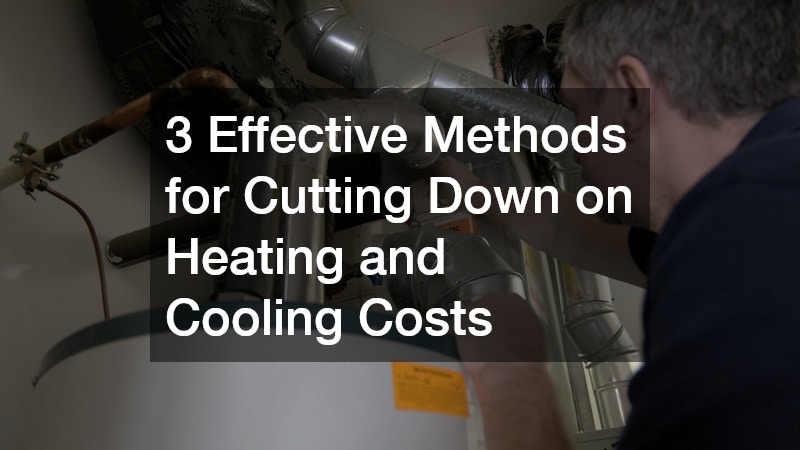
Rising utility bills have made home energy efficiency a top priority for many households. One of the largest contributors to monthly expenses is indoor climate control, especially during extreme seasonal temperatures. Reducing waste and improving efficiency does not always require major renovations; in many cases, small adjustments and targeted upgrades can make a noticeable difference. By understanding how your home uses energy and where losses occur, you can take practical steps to reduce consumption while maintaining comfort throughout the year.
The following methods focus on proven strategies that help lower overall expenses and improve system performance without sacrificing indoor livability. These strategies are especially important for households dealing with fluctuating seasonal temperatures, where heating and cooling costs can quickly escalate without proper controls in place.
Small changes implemented consistently often produce the most noticeable long-term savings.
1. Improve Insulation and Seal Air Leaks
A significant portion of energy loss in homes comes from poor insulation and unnoticed air leaks. Gaps around windows, doors, attics, and ductwork allow conditioned air to escape while letting outdoor air enter, forcing systems to work harder than necessary. Addressing these issues creates a more stable indoor environment and reduces unnecessary strain on equipment.
Upgrading insulation in key areas such as attics, basements, and exterior walls can dramatically improve energy retention. Materials like spray foam, fiberglass batts, or blown-in cellulose help create a thermal barrier that slows heat transfer. Even small improvements, such as sealing electrical outlets or adding weatherstripping, can contribute to noticeable efficiency gains over time.
Air sealing is often overlooked, but it plays a critical role in maintaining indoor comfort. Using caulk or foam sealant around gaps in framing, plumbing penetrations, and window trim helps eliminate drafts. When combined with proper insulation, these measures reduce the workload on your system and improve overall performance without requiring constant adjustment of settings.
2. Optimize Thermostat Settings and Usage Habits
One of the simplest yet most effective ways to control indoor comfort costs is through smarter thermostat management. Many households unknowingly maintain temperatures that are higher or lower than necessary, leading to increased energy consumption. Adjusting settings based on occupancy and daily routines can significantly reduce waste.
Programmable or smart thermostats offer a convenient way to automate temperature changes throughout the day. For example, lowering temperatures during sleeping hours or when the home is empty helps minimize unnecessary system operation. Small adjustments of even a few degrees can lead to meaningful savings over time without noticeable comfort loss.
Behavioral changes also play an important role. Dressing appropriately for the season, using ceiling fans to circulate air, and taking advantage of natural sunlight during colder months all reduce reliance on mechanical systems. Efficient management of heating and cooling schedules can further reduce unnecessary energy use without sacrificing comfort. Over time, these small adjustments compound into meaningful reductions in utility expenses.
3. Maintain HVAC Systems for Peak Efficiency
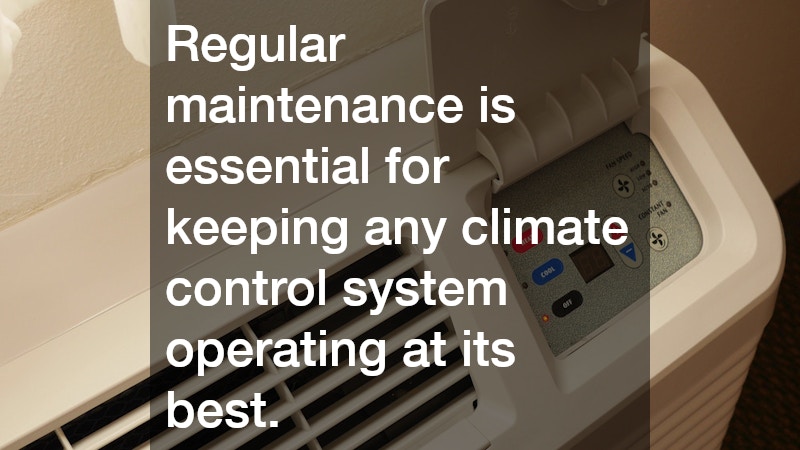
Regular maintenance is essential for keeping any climate control system operating at its best. Dust buildup, clogged filters, and worn components can reduce efficiency and force equipment to consume more energy than necessary. Routine upkeep ensures that the system runs smoothly and effectively throughout the year.
Replacing air filters on a consistent schedule is one of the simplest maintenance tasks with the greatest impact. Clean filters improve airflow and reduce strain on system components, helping maintain consistent performance. In addition, scheduling professional inspections allows technicians to identify issues early, such as refrigerant leaks or failing parts, before they escalate into costly repairs.
Cleaning ducts and ensuring vents remain unobstructed also supports proper airflow distribution. When air can move freely throughout the home, the system does not need to work as hard to maintain desired temperatures. Over time, this contributes to lower operational costs and extends the lifespan of the equipment.
Reducing energy expenses is achievable through a combination of structural improvements, smarter usage habits, and consistent system care. By focusing on insulation, thermostat management, and routine maintenance, homeowners can create a more efficient living environment while lowering monthly utility costs.
These strategies work together to improve comfort, reduce waste, and extend the life of essential equipment without requiring major lifestyle changes. Weather patterns can make heating and cooling demands unpredictable, so consistent efficiency habits help stabilize monthly costs throughout the year. Preparation is key to long-term savings.