
Home renovations can completely change the look and feel of a property without requiring a complete rebuild. From refreshing outdated interiors to improving curb appeal, the right projects can make a home feel brighter, more spacious, and better suited to everyday life. Even relatively simple updates can create a noticeable transformation when they address the features that stand out most.
The best renovation projects depend on the home’s current condition, architectural style, budget, and long-term goals. Some homeowners want a modern appearance, while others prefer a timeless design that feels warm and inviting. Whether the goal is to improve a home’s appearance before selling or create a more enjoyable living environment, focusing on high-impact changes can help make every improvement count.
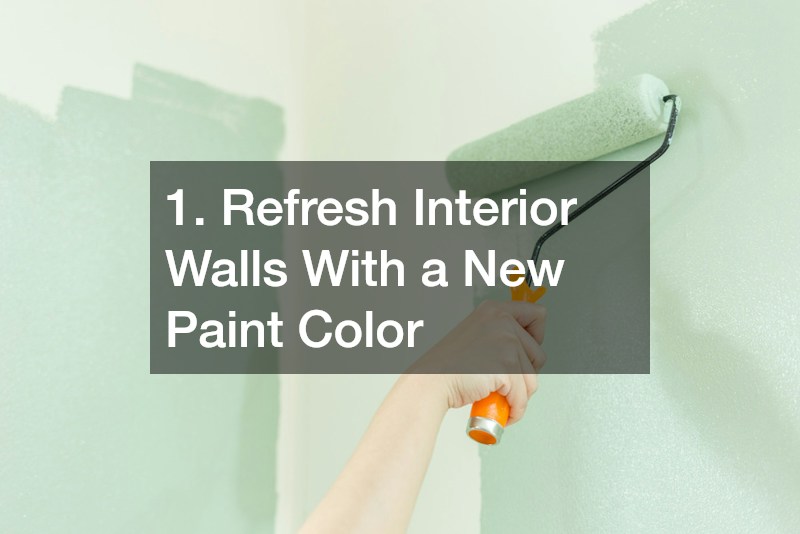
1. Refresh Interior Walls With a New Paint Color
Few renovations change the appearance of a home as quickly as a fresh coat of paint. Wall color influences how rooms feel, how natural light moves through a space, and how furniture and decorative features stand out. Outdated colors, scuffed walls, and uneven finishes can make otherwise attractive rooms appear neglected.
Neutral shades such as warm white, soft beige, light gray, and muted taupe can create a clean foundation for different decorating styles. These colors work particularly well in living rooms, hallways, and other shared spaces because they make it easier to coordinate furniture, flooring, and accessories. Homeowners who prefer more personality can introduce deeper colors through an accent wall, a painted ceiling, or a carefully chosen room palette.
Professional painting can also make a difference when walls have visible imperfections. Proper surface preparation, consistent coverage, and clean edges help create a polished finish that is difficult to achieve when old paint is peeling or the underlying surface is uneven. Experienced home painting companies can help homeowners choose suitable colors, finishes, and application methods for different areas of the house.
Paint can also refresh trim, doors, cabinetry, and other architectural details. Updating these elements together can create a more cohesive appearance without replacing everything in the room. When the goal is a noticeable transformation on a reasonable budget, painting is often one of the most practical places to start.
2. Modernize the Kitchen Without Rebuilding It
The kitchen often serves as one of the main gathering spaces in a home, making its appearance especially important. Worn cabinets, outdated hardware, dim lighting, and mismatched finishes can make the room feel older than the rest of the property. Fortunately, improving the kitchen’s appearance does not always require a complete remodel.
Cabinet updates can have an immediate visual impact because cabinetry occupies a significant portion of the room. Repainting existing doors, replacing dated handles, or installing new cabinet fronts can create a more contemporary look. Homeowners may choose simple black hardware, brushed metal finishes, or understated pulls to complement the kitchen’s overall design.
Countertops can also influence the room’s appearance. Replacing heavily worn surfaces with materials that coordinate with the cabinets and backsplash helps create a unified finish. Options range from natural stone to engineered surfaces and other countertop materials, each offering different patterns, maintenance requirements, and price points.
Lighting deserves equal attention. Pendant lights above an island, under-cabinet lighting, and updated ceiling fixtures can make work surfaces more attractive while improving visibility. Layering different light sources also helps the kitchen feel warmer and more inviting in the evening.
Another useful improvement involves reducing visual clutter. Clearing countertops, organizing small appliances, and creating consistent storage arrangements allow the kitchen’s finishes to stand out. If the existing layout functions well, these targeted changes may deliver the desired transformation without the expense and disruption of moving plumbing, electrical connections, or major appliances.
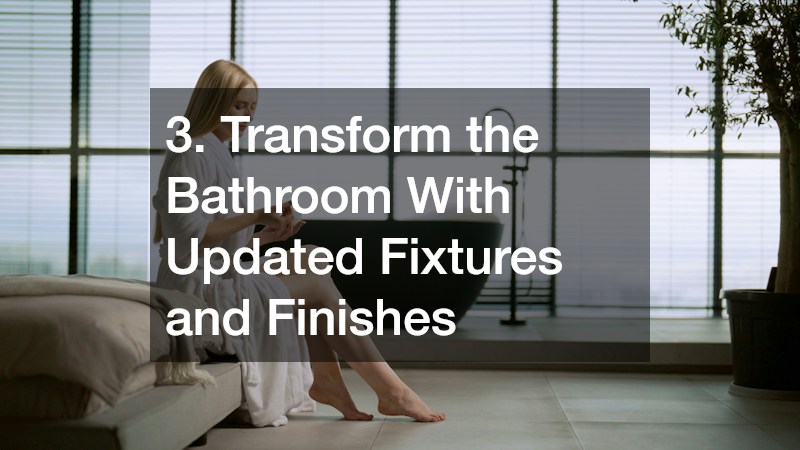
3. Transform the Bathroom With Updated Fixtures and Finishes
Bathrooms can look dated because of aging fixtures, discolored grout, outdated tile, and worn vanities. Since these spaces are often relatively small, coordinated improvements can produce a significant change without affecting a large portion of the home’s overall renovation budget.
Replacing an old vanity can establish a new design direction. A floating vanity may give a compact bathroom a more open appearance, while a furniture-style option can add warmth and character. Pairing the vanity with an updated faucet, a well-proportioned mirror, and attractive lighting helps the room feel thoughtfully designed.
Tile is another important visual feature. Replacing outdated flooring or adding a fresh shower surround can modernize the space, especially when the colors and patterns work together. Large-format tiles may create a cleaner appearance with fewer grout lines, while smaller decorative tiles can introduce texture or contrast.
Fixtures should complement one another rather than compete for attention. Matching finishes across faucets, towel bars, shower hardware, and cabinet pulls can make the bathroom feel more cohesive. This does not mean every surface must look identical; instead, a consistent design direction helps prevent the room from feeling pieced together.
Homeowners should also pay attention to ventilation and moisture-related issues before investing in cosmetic improvements. Persistent dampness, peeling finishes, or recurring stains can indicate a problem that needs attention first. Addressing these concerns before installing new materials helps protect the renovation and supports a more durable result.
4. Replace Outdated Flooring for a More Cohesive Interior
Flooring affects nearly every room it touches, so worn or inconsistent surfaces can make a home feel disjointed. Replacing dated carpet, damaged flooring, or mismatched materials with a coordinated option can help the interior look more intentional.
Hardwood flooring remains popular for its natural appearance and ability to complement traditional and contemporary interiors. Engineered wood provides another option, while luxury vinyl plank and tile products offer a range of designs that imitate wood or stone. The best choice depends on the room, expected foot traffic, moisture exposure, maintenance preferences, and budget.
Color also matters. Light flooring can make some rooms feel more open, while medium wood tones often create a balanced, welcoming appearance. Dark floors can provide dramatic contrast, although they may show dust and light-colored debris more readily. Homeowners should consider wall colors, cabinetry, furniture, and natural light before choosing a finish.
Consistency throughout connected spaces can make the home appear larger. Using the same flooring across a living room, dining area, and hallway creates visual continuity, especially in open-plan layouts. Bathrooms, laundry rooms, and other moisture-prone areas may require different materials, but coordinating their colors can preserve the overall design.
Before installation, it is important to evaluate the existing subfloor. Uneven areas, moisture problems, or damaged sections may need correction before new flooring is installed. Skipping these preparations can lead to movement, gaps, or other issues that detract from the finished appearance.
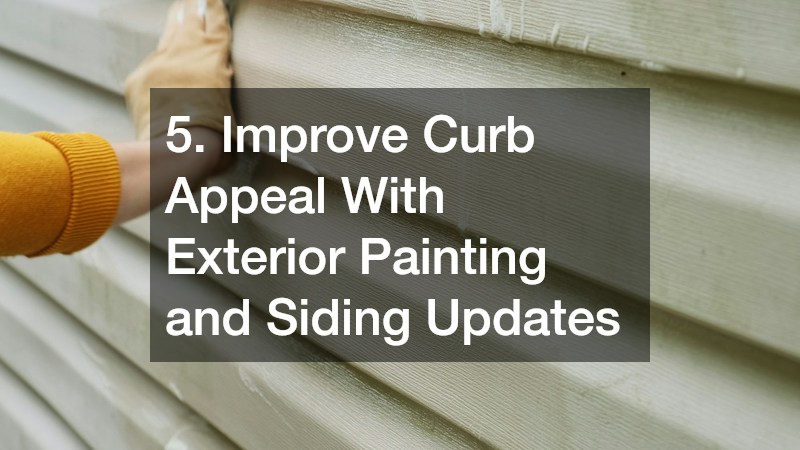
5. Improve Curb Appeal With Exterior Painting and Siding Updates
A home’s exterior establishes the first impression for visitors, neighbors, and potential buyers. Faded paint, damaged siding, and mismatched exterior details can make the property appear older or less maintained than it actually is. Improving these surfaces can dramatically change the home’s overall character.
Exterior paint offers a straightforward way to refresh the facade. Homeowners may choose a timeless combination of a primary siding color, contrasting trim, and a complementary front door. Warm whites, soft grays, earthy greens, and muted blues can work well depending on the architecture and surrounding landscape.
Siding replacement may be appropriate when the existing material is cracked, warped, or deteriorating. New siding can update the home’s texture and color while addressing maintenance concerns. However, the underlying wall assembly should be evaluated before new materials are installed, particularly if there are signs of trapped moisture or concealed damage.
Small details also influence the final result. Repainting shutters, updating exterior light fixtures, replacing a worn mailbox, and choosing an attractive house-number style can help create a more coordinated appearance. These elements may seem minor individually, but they contribute to the overall impression.
Homeowners should consider the property’s architectural style before selecting finishes. A modern color scheme may work beautifully on a contemporary house but feel out of place on a historic property. Choosing materials and colors that complement the original design can create a more lasting transformation than following a trend that does not suit the home.
6. Upgrade the Front Entry and Main Door
The front entry is one of the most noticeable areas of a home, yet it is often overlooked during renovation planning. A worn door, outdated hardware, poor lighting, or a cluttered porch can diminish the appearance of an otherwise attractive exterior.
Replacing the front door can introduce a stronger focal point. Homeowners can choose from traditional panel designs, modern styles with clean lines, or doors featuring glass inserts that allow natural light into the entryway. The selection should complement the home’s architecture while providing appropriate security, insulation, and durability.
For homeowners who do not need a replacement, refinishing or repainting the existing door may be sufficient. A bold but coordinated color can make the entrance stand out, while updated handles and a modern lockset provide a more finished appearance.
Lighting is equally important. Wall-mounted fixtures positioned near the doorway improve visibility and help the entrance feel welcoming after dark. The scale of the fixtures should suit the door and surrounding wall rather than overpowering the entry.
The surrounding space can also benefit from simple improvements. Clean walkways, attractive planters, a fresh doormat, and a neatly maintained porch help the entrance feel intentional. These details are especially effective when they reinforce the colors and materials used elsewhere on the exterior.

7. Redesign Outdoor Living Areas
Outdoor spaces can make a home feel more spacious and versatile, especially when they provide comfortable areas for relaxing, entertaining, or dining. A neglected patio or empty backyard may have plenty of potential but lack the features that make it visually appealing and useful.
Updating an existing patio is one way to improve the space. Replacing damaged pavers, introducing coordinated outdoor furniture, and defining separate seating and dining areas can create a more organized layout. Outdoor rugs, cushions, and weather-resistant accessories add color and texture without requiring extensive construction.
Decks and porches can also benefit from renovation. Repairing worn boards, refreshing the finish, updating railings, and improving stairways can give these spaces a cleaner appearance. Adding appropriate lighting helps establish an inviting atmosphere while making steps and walkways easier to see.
Landscaping provides another opportunity to enhance the outdoor environment. Layered planting beds, neatly defined borders, ornamental grasses, shrubs, and seasonal flowers can soften the appearance of hard surfaces. Selecting plants suited to the local climate and the amount of sunlight available can make the design easier to maintain.
Privacy features can help outdoor areas feel more comfortable. Wood fences can establish clear boundaries, screen certain views, and complement the architecture when their height, finish, and design are chosen carefully. Combining fencing with greenery can create a softer transition between the house and the surrounding yard.
The most successful outdoor renovations connect the home’s interior style with its exterior surroundings. Repeating colors, materials, or design elements can make the entire property feel more cohesive.
8. Upgrade the Roof and Gutters to Refresh the Exterior
Although roofing and drainage systems are primarily functional, they can have a noticeable effect on curb appeal. The roof occupies a large portion of many homes’ visible exterior, meaning damaged shingles, faded materials, or inconsistent colors can affect the property’s overall appearance.
When a roof has reached the end of its useful life, a new roof installation can improve the home’s visual presentation while providing protection from the elements. Homeowners can compare shingle colors, profiles, and other suitable roofing materials to find an option that complements the siding, trim, and architectural style.
The roof should not be replaced solely for cosmetic reasons if the existing system remains in good condition. However, visible deterioration, recurring leaks, or widespread material failure may justify a closer professional assessment. Selecting a suitable roofing system involves considering local weather, ventilation, structural requirements, and manufacturer specifications in addition to appearance.
Gutters also contribute to the exterior’s finished look. Sagging sections, rust, peeling finishes, and disconnected downspouts can make the property appear poorly maintained. Professional gutter installation services can help homeowners choose a properly sized system that coordinates with the exterior while directing rainwater away from vulnerable areas.
Drainage improvements are especially important when water collects near the foundation or spills over clogged gutters. Correcting these issues can help prevent damage to landscaping, siding, and other parts of the property.
When evaluating the roof and gutters together, homeowners should consider both performance and design. Coordinated colors and clean lines can make these necessary features blend more naturally with the rest of the exterior.
9. Make the Home Feel Brighter With Better Lighting
Lighting can transform the way a home looks without requiring major structural changes. Poorly lit rooms may feel cramped, dated, or uninviting, while a thoughtful lighting plan can emphasize architectural details and create a more comfortable atmosphere.
The first step is to make the most of natural light. Removing heavy window coverings, cleaning glass, and arranging furniture to avoid blocking windows can help rooms feel brighter. Where privacy is necessary, lighter curtains or adjustable shades may provide a balance between daylight and coverage.
Artificial lighting should serve different purposes. Ambient lighting provides general illumination, task lighting supports activities such as cooking or reading, and accent lighting draws attention to artwork, shelving, or other features. Combining these layers gives homeowners more flexibility than relying on a single overhead fixture.
Replacing outdated light fixtures can also modernize a room. Simple pendant lights, contemporary chandeliers, wall sconces, and recessed lighting can suit different areas of the home. The size and placement of each fixture should correspond to the room’s dimensions and intended use.
Light color affects the atmosphere as well. Warm lighting often creates a relaxed feeling in bedrooms and living rooms, while more neutral lighting may suit kitchens, workspaces, and utility areas. Choosing compatible color temperatures across connected spaces helps maintain a consistent look.
Homeowners should also consider dimmers and separately controlled lighting zones. These features make it easier to adjust brightness for different activities and times of day. When combined with updated finishes and an uncluttered layout, good lighting can make existing spaces feel significantly more polished.
10. Improve Interior Layouts and Architectural Details
Sometimes, a home looks outdated not because of its finishes but because the spaces lack visual flow. Awkward furniture arrangements, poorly defined areas, and bulky features can make rooms feel smaller or less functional than they need to be.
Rearranging furniture is a useful starting point. Creating clear walking paths, positioning seating around a natural focal point, and reducing oversized pieces can improve the room’s proportions. In open-plan homes, rugs, lighting, and furniture groupings can help define separate living, dining, and working areas without introducing walls.
Architectural details can add character where the interior feels plain. Crown molding, decorative wall trim, built-in shelving, and carefully designed fireplace surrounds can give rooms a more finished appearance. These additions should be proportionate to the ceiling height and room dimensions so they enhance rather than overwhelm the space.
Doorways and interior doors also deserve attention. Replacing damaged doors, updating handles, or choosing a consistent finish across the home can improve the overall design. Where a layout feels especially cramped, a professional may assess whether a doorway can be widened or a non-load-bearing partition removed.
More substantial changes require careful planning. Structural walls, plumbing lines, electrical systems, and heating or cooling equipment can affect what is possible. Consulting qualified professionals before making major layout changes helps identify constraints and avoid costly surprises.
For homeowners considering a larger redesign, local custom home builders may provide useful insight into architectural options, material selections, and ways to create a more cohesive interior. Their expertise can be particularly valuable when several rooms need to work together as part of a broader renovation.
11. Address Hidden Damage Before Making Cosmetic Improvements
A home can look attractive on the surface while underlying problems gradually damage its materials. Stains on ceilings, soft drywall, peeling paint, musty odors, and warped flooring may indicate moisture intrusion or other concerns that should be addressed before cosmetic work begins.
For example, water entering through a damaged roof or plumbing leak can affect ceilings, walls, insulation, and flooring. In these situations, water damage restoration services may be necessary to assess the affected areas, remove damaged materials where appropriate, and support proper drying and restoration.
Ignoring moisture problems can undermine new paint, flooring, cabinetry, and other finishes. It can also allow damage to spread into concealed areas. Homeowners should identify and correct the source of the water before investing in replacement materials.
Heating, ventilation, and air conditioning systems can influence comfort and the condition of interior finishes as well. An experienced HVAC company can assess ventilation, airflow, and equipment performance when rooms have persistent humidity issues, uneven temperatures, or inadequate air circulation. These concerns should be evaluated alongside any visible building damage.
Exterior maintenance deserves similar attention. A deteriorating driveway may detract from the home’s appearance, while cracks or uneven areas can affect how the property is approached. An asphalt paving service can assess whether resurfacing or other repairs are appropriate for a worn asphalt driveway.
Construction debris and old materials can also accumulate during a renovation. Arranging a local dumpster rental service can make it easier to keep the property organized while removing discarded flooring, cabinetry, and other approved waste. For larger projects that require temporary relocation, a moving company may help transport furniture and belongings safely so contractors have room to work.
Addressing these practical considerations early helps protect the visual improvements that follow. A successful renovation should leave the home looking better while also supporting its long-term condition.
Plan Renovations Around the Biggest Visual Impact
The most effective home renovations are not necessarily the most expensive. Fresh paint, updated lighting, coordinated flooring, refreshed kitchens and bathrooms, and improved outdoor spaces can all change how a property looks and feels. Exterior improvements involving the front entry, siding, roofing, and landscaping can strengthen that transformation from the moment someone approaches the house.
Before choosing a project, homeowners should consider which areas look the most dated, which improvements will make everyday life more comfortable, and whether any maintenance issues need attention first. Establishing a realistic budget and selecting finishes that work together can help prevent unnecessary spending and inconsistent results.
It is also worth thinking about how each renovation fits into the larger property. A modern kitchen may look out of place if adjacent rooms have worn flooring and outdated finishes, while a carefully coordinated series of smaller updates can create a more complete transformation. Prioritizing projects based on condition, visibility, and practical needs makes it easier to plan improvements in a sensible order.
With thoughtful planning, the right materials, and qualified professionals when needed, homeowners can make meaningful changes that improve both appearance and usability. Whether the project involves one room or the entire property, focusing on the features that matter most can help create a home that feels refreshed, welcoming, and well cared for.