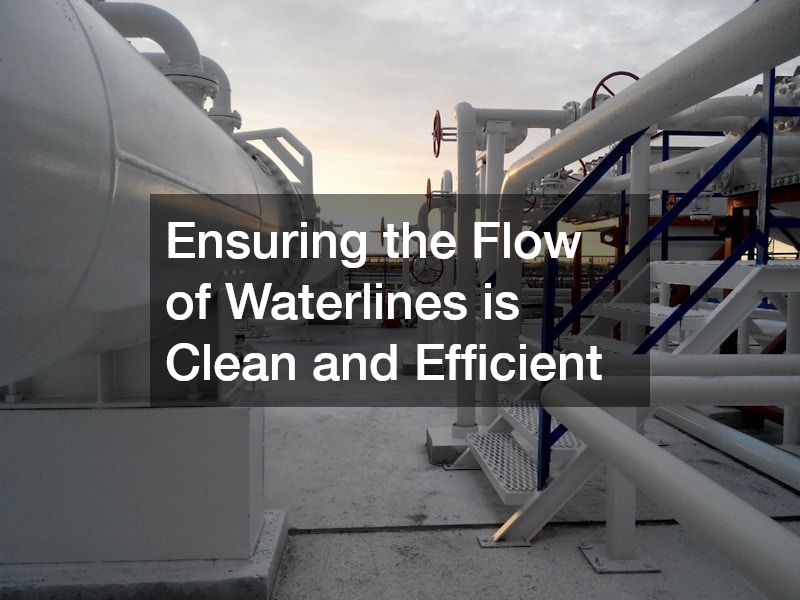
Water is the lifeblood of any property, yet the complex network of pipes that delivers it is often “out of sight, out of mind” until a crisis emerges. Maintaining the flow of waterlines is a multifaceted discipline that combines proactive chemistry, mechanical maintenance, and structural integrity. When a system is neglected, efficiency drops, utility bills rise, and the risk of catastrophic failure increases exponentially.
A truly efficient system does more than just move water; it manages pressure, prevents contamination, and preserves the structural health of the building it serves. This guide provides a deep dive into the technical nuances of waterline management, offering actionable strategies to keep your infrastructure running at peak performance while avoiding the common pitfalls that lead to expensive emergency interventions.
Identifying the Early Warning Signs of System Stress

Efficiency begins with observation. Most homeowners and facility managers wait for a visible puddle before investigating their plumbing, but by then, the damage is already underway. A high-performance system requires a keen eye for subtle changes in delivery and sound.
Monitoring Pressure and Velocity
Water pressure that is too high can be just as damaging as pressure that is too low. High pressure causes “stress fractures” in joints and wears down internal gaskets, while low pressure often indicates a blockage or a hidden breach.
Install a Master Pressure Gauge: Place this near your main shut-off valve to monitor the incoming PSI. For residential settings, staying between 40 and 60 PSI is ideal.
The “Hammer” Effect: If you hear a loud bang when a faucet is turned off, you likely have a water hammer issue. This is a sign of poorly secured lines or a lack of air chambers, which over time can cause damage that leads to a burst.
The True Cost of Neglect
Ignoring a small drip might seem like a minor annoyance, but even a pinhole leak can accumulate to waste hundreds of gallons of water per month. More importantly, consistent moisture behind walls creates a breeding ground for mold and compromises the load-bearing capacity of timber. In many cases, a simple plumbing repair performed early can prevent the need for extensive water damage services that involve tearing out drywall and remediating hazardous spores. Being proactive about these minor fixes is the most cost-effective way to manage a property’s long-term health.
Strategic Maintenance for Drainage Systems
A waterline is only as efficient as its exit strategy. If the drainage side of your plumbing is sluggish, it creates back-pressure and increases the risk of cross-contamination through siphoning. Keeping the “outflow” as clean as the “inflow” is a critical component of total system health.
Clearing the Path
Biofilm and mineral scale are the silent killers of pipe diameter. Over time, these substances narrow the passage, forcing your system to work harder to move the same volume of waste.
Enzymatic Cleaners: Instead of using caustic acids that eat away at metal and PVC, use enzyme-based cleaners monthly. these “eat” organic matter without damaging the pipe walls.
Strategic Scouring: For older systems, professional hydro-jetting is superior to mechanical snaking because it cleans the entire circumference of the pipe rather than just punching a hole through a clog.
Professional Oversight
While many people reach for a plunger as their first line of defense, persistent slow drains often point to a deeper issue in the main stack or the lateral lines. Engaging a professional drain cleaning service every two years can ensure that grease and mineral deposits are fully removed before they calcify. During these sessions, technicians can also recommend specific pipe products that are resistant to corrosion or root intrusion, ensuring that your underground infrastructure remains intact for decades rather than years.
Maintaining the Heart of Rural Systems: Septic Health
For properties not connected to a municipal sewer, the efficiency of the waterlines is tethered to the performance of a septic system. A failure in the tank can cause a total stoppage of every drain in the house, leading to an immediate and unhygienic crisis.
The Biology of the Tank
A septic tank is a living ecosystem of anaerobic bacteria. When you introduce harsh chemicals, bleach, or excessive soaps, you kill the bacteria responsible for breaking down solids.
Watch the “Scum” Layer: The top layer of your tank should be monitored to ensure it doesn’t enter the outlet pipe.
Hydraulic Loading: Sending too much water into the tank at once—such as running the dishwasher, laundry, and two showers simultaneously—can “flush” solids out into the drain field, clogging the soil and ruining the system.
Long-Term Management
Because the septic system is buried and out of sight, it is easy to forget. However, a failure here is one of the most expensive repairs a property owner can face. Regular septic inspection services are the only way to verify the structural integrity of the baffles and the health of the absorption area. Furthermore, a trusted septic company will help you establish a pumping schedule based on your specific household size and water usage patterns, ensuring that the system never reaches a point of critical overflow.
Advanced Solutions for Large-Scale Water Management
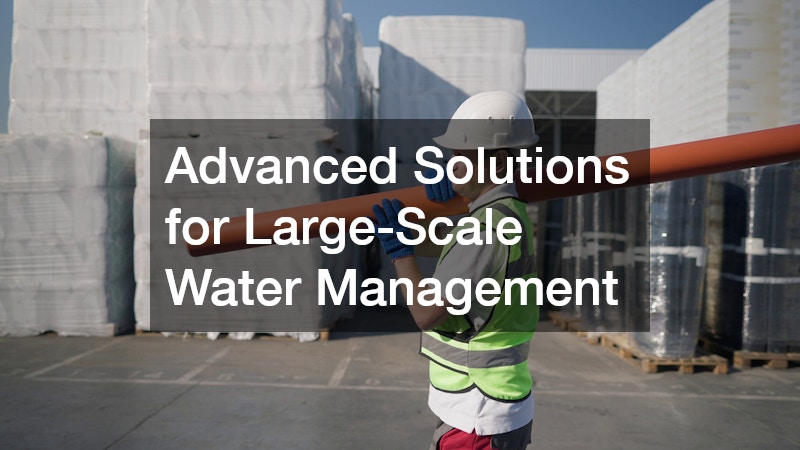
Commercial and industrial facilities face a different set of challenges. The sheer volume of water used requires a higher grade of materials and more sophisticated routing to prevent “dead legs”—sections of pipe where water sits stagnant and becomes a playground for bacteria like Legionella to grow and spread.
Engineering for Efficiency
In a commercial setting, waterlines must be designed to handle peak loads during business hours while remaining efficient during low-usage periods.
Looping Systems: Instead of “dead-end” runs, loop the plumbing to ensure water is constantly moving, which maintains consistent temperature and chemical balance.
High-Durability Components: Using heavy-duty valves and industrial-grade regulators prevents the frequent “downtime” associated with standard residential fixtures.
Custom Infrastructure
When a standard off-the-shelf solution won’t suffice for a complex facility, specialized pipe fabrication allows for the creation of manifolds and junctions that optimize flow and minimize turbulence. This is particularly important in commercial plumbing where high-pressure demands can cause standard fittings to fail prematurely. Investing in custom-engineered sections ensures that every turn and junction is designed for maximum hydraulic efficiency, reducing the energy needed to pump water throughout a large building.
Optimizing the Connection to the Main Supply
The “last mile” of water delivery—the connection between the utility main and your building—is often the most vulnerable. This section of pipe is subject to soil shifting, temperature extremes, and external corrosion.
Protecting the Intake
The water service connection is the gateway to your property. If this line is compromised, the quality of water inside your home will suffer regardless of how clean your internal pipes are.
Insulation and Depth: Ensure your intake line is buried below the frost line to prevent seasonal freezing and bursting.
Backflow Prevention: Install a backflow preventer and test it annually. This ensures that if the city’s water pressure drops, contaminated water from your irrigation or heating system doesn’t get sucked back into your drinking water.
Integrated Maintenance
For those with extensive properties or multiple outbuildings, the management of waste is just as vital as the intake of fresh water. While the intake brings life to the property, the disposal system keeps it sanitary. Routine septic pumping services are necessary to prevent solids from backing up into these intake connections in a flood scenario. Maintaining a clear distinction between supply and waste lines through proper labeling and physical separation is a hallmark of a well-managed and safe plumbing system.
Material Science and Modern Pipe Selection
The materials you choose for your waterlines will dictate the maintenance requirements for the next 50 years. Understanding the pros and cons of modern piping is essential for any upgrade or repair.
Copper: The Gold Standard
Copper remains a favorite for many due to its natural antimicrobial properties and longevity. It is resistant to UV damage and does not off-gas chemicals. However, it is susceptible to “pitting corrosion” if your water pH is too acidic.
PEX: The Flexible Alternative
Cross-linked polyethylene (PEX) has revolutionized waterline installation. It is flexible, meaning fewer joints (and therefore fewer leak points), and it is resistant to scale build-up. It is also much more resistant to freeze-bursting than rigid metal pipes.
HDPE for Main Lines
For the heavy-duty lines running from the street or the well, High-Density Polyethylene (HDPE) is often the best choice. It is incredibly durable, can withstand significant ground movement, and is joined through heat fusion, creating a leak-proof, monolithic system.
The Role of Filtration in Line Longevity

Many people think of water filtration as a way to make water taste better, but its primary benefit to your plumbing system is the removal of abrasive minerals and corrosive chemicals.
Hard Water and Scale
If you live in an area with “hard” water (high calcium and magnesium), these minerals will eventually plate the inside of your pipes. This scale acts like “clogged arteries,” reducing flow and forcing your water heater to use more energy to penetrate the buildup.
Water Softeners: By replacing calcium ions with sodium ions, a softener prevents scale from forming in the first place.
Carbon Filtration: Removing chlorine at the entry point is vital for PEX and rubber seals, as chlorine can cause these materials to become brittle over time.
Sediment Pre-Filters
A simple 50-micron sediment filter installed at the main shut-off can catch sand, grit, and rust from the municipal supply. This prevents these particles from sandblasting your faucet aerators and clogging the delicate valves in your dishwasher and washing machine.
Seasonal Readiness and Emergency Protocols
Efficiency is also measured by how well a system survives extreme conditions. A system that works perfectly in June but bursts in January is not a successful design.
Winterization Techniques
Drain Outdoor Lines: Always disconnect hoses and drain exterior spigots (sillcocks) before the first frost.
Heat Tape for Vulnerable Runs: In crawlspaces or attics, use self-regulating heat tape to keep pipes just above freezing.
Internal Air Circulation: During extreme cold snaps, keep cabinet doors open to allow warm house air to reach the pipes under sinks.
Emergency Preparedness
Every occupant of a building should know exactly where the main water shut-off valve is located. A “quarter-turn” ball valve is the preferred hardware here, as older “gate valves” can often seize up or fail to close fully when you need them most. Label the valve clearly with a bright tag so that even in a dark, high-stress situation, it can be found and operated instantly.
Technology and the Future of Flow Management
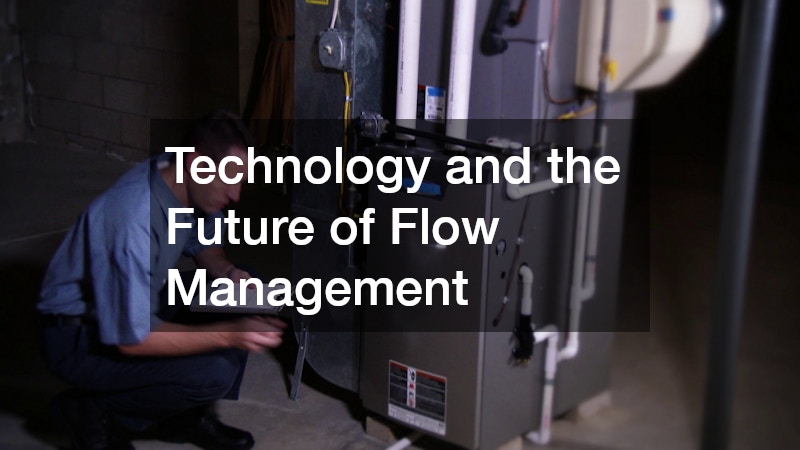
The “smart home” revolution has finally reached the plumbing closet. Modern sensors can now do what the human eye cannot: detect a leak that is only a few drops per minute.
Smart Leak Detectors
These devices sit on your main line and monitor ultrasonic waves or flow patterns. If they detect a constant flow that mimics a leak (or a sudden burst), they can automatically move a motorized valve to shut off the water supply to the entire house, even if you are thousands of miles away.
Ultrasonic Flow Meters
For commercial managers, ultrasonic meters provide real-time data on water consumption. By analyzing this data, you can identify “phantom usage” during hours when the building should be empty, which is a foolproof indicator of a hidden leak or a running toilet.
Keeping waterlines clean and efficient is a continuous process of monitoring, maintaining, and upgrading. It requires an understanding of both the mechanical components—like valves and regulators—and the invisible factors like water chemistry and pressure dynamics. By implementing a strategy that includes regular inspections, high-quality materials, and proactive cleaning, you can ensure that your plumbing system remains a silent, reliable partner in your daily life.
The investment made in maintenance today is always smaller than the cost of a disaster tomorrow. A well-maintained system not only protects the value of your property but also contributes to a more sustainable world by reducing waste and energy consumption. With the right approach, your waterlines can provide decades of trouble-free service, delivering clean, high-pressure water exactly where it’s needed.