
Owning property involves responsibilities that extend far beyond routine cleaning or occasional repairs. Whether residential, commercial, or mixed-use, proper maintenance is crucial for preserving value, ensuring safety, and avoiding costly emergencies. Often, serious issues start as small, overlooked problems that become disruptive and expensive if left unattended.
One major challenge for property owners is identifying which maintenance tasks are most important and when professional help is needed. With various systems—like plumbing, landscaping, and utilities—working together, it can be difficult to prioritize and spot early warning signs. Proactive maintenance often makes the difference between a simple service call and a major repair.
Long-term planning is essential. Maintenance is not just about reacting to issues but understanding how different services support overall functionality. Consistent upkeep helps systems last longer and operate more efficiently, reducing unexpected downtime. Additionally, staying informed about environmental regulations and compliance helps property owners avoid penalties and maintain safe, functional spaces for years to come.
Improving Soil Health and Managing Organic Waste
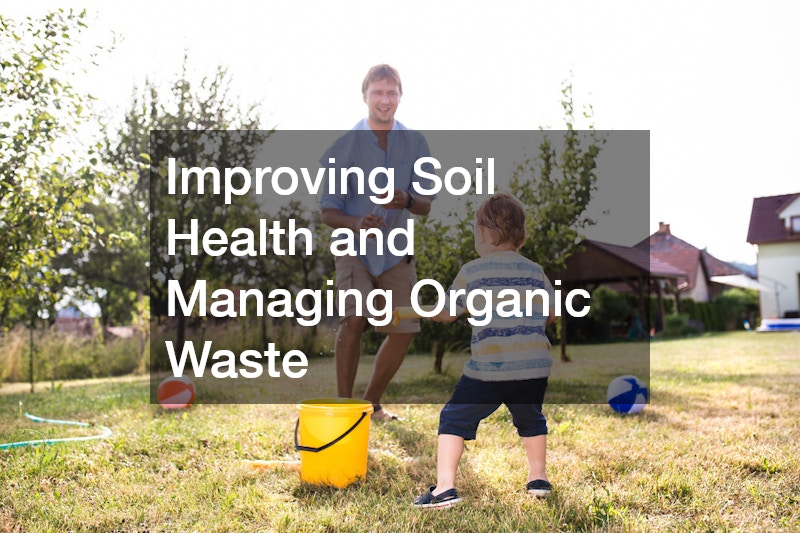
Healthy outdoor spaces begin below the surface. Managing organic waste properly not only supports landscaping efforts but also contributes to environmental sustainability and long-term soil health. One of the most effective ways to accomplish this is through compost, which transforms organic materials into nutrient-rich soil amendments.
Property owners with lawns, gardens, or landscaped areas can benefit greatly from using compost to improve soil structure. It enhances moisture retention, promotes healthy root growth, and reduces the need for chemical fertilizers. Over time, this leads to more resilient plants and reduced maintenance costs.
Common materials that can be reused organically include:
- Grass clippings and leaves
- Food scraps from kitchens or break rooms
- Pruned branches and plant trimmings
- Untreated paper products
- Garden debris
Beyond landscaping benefits, managing organic waste responsibly helps reduce landfill use. Many municipalities encourage or require organic waste separation, making it an important compliance consideration for property owners.
There are several ways to incorporate organic waste management into property maintenance routines:
- Establishing on-site composting systems for smaller properties
- Partnering with local collection programs for larger operations
- Educating occupants on acceptable materials
- Scheduling regular waste handling to prevent odor or pests
Proper handling is essential. Poorly managed organic waste can attract insects or rodents and create unpleasant conditions. Monitoring moisture levels, rotating materials, and using appropriate containment helps maintain balance.
By viewing organic waste as a resource rather than a burden, property owners can improve outdoor spaces while supporting environmentally responsible practices.
Keeping Utility Messaging Clear and Visible
Clear communication on a property is essential for safety, navigation, and compliance. Signage plays a critical role in guiding visitors, identifying hazards, and conveying important instructions. Well-maintained outdoor signs help prevent confusion and reduce liability.
Property owners often underestimate how quickly signage can degrade. Exposure to weather, sunlight, and temperature changes can cause fading, warping, or structural instability. When signs become unreadable or damaged, they fail to serve their purpose and may even create safety risks.
Effective signage maintenance involves:
- Inspecting signs regularly for visibility and stability
- Replacing faded or cracked materials
- Ensuring proper placement and height
- Confirming compliance with local regulations
- Updating information as conditions change
Outdoor signs are particularly important in areas such as parking lots, construction zones, access points, and utility areas. Clear labeling helps prevent accidents and ensures emergency responders can navigate the property efficiently.
Property owners should also consider durability when selecting signage materials. Weather-resistant coatings, reinforced mounting systems, and reflective surfaces extend lifespan and improve visibility in low-light conditions.
Regular reviews of signage placement are equally important. Changes to traffic flow, landscaping, or property layout may require repositioning or additional signs to maintain clarity.
Maintaining clear, visible signage demonstrates professionalism and care. It reassures occupants and visitors while reducing the likelihood of accidents or misunderstandings.
Preventing Costly Underground Damage
One of the most overlooked aspects of property maintenance lies underground. Drainage and waste systems operate out of sight, which often leads to issues going unnoticed until significant damage occurs. A compromised sewer line can result in backups, property damage, and costly repairs.
Early detection is key. Warning signs may include slow drains, recurring clogs, foul odors, or unexplained patches of overly lush grass. These indicators often point to underlying issues that worsen without intervention.
Preventive strategies include:
- Scheduling routine inspections
- Avoiding improper disposal of grease or debris
- Monitoring tree root growth near underground lines
- Addressing minor drainage issues promptly
- Keeping records of system maintenance
Environmental factors such as soil movement, aging pipes, and invasive roots can all impact underground systems. Older properties are particularly vulnerable and benefit from proactive assessments.
Professional inspections often use camera technology to identify cracks, blockages, or misalignments without excavation. This approach minimizes disruption while providing accurate diagnostics.
Addressing underground issues early helps property owners avoid extensive excavation, structural damage, and health hazards. Regular monitoring and responsible usage protect both the property and the surrounding infrastructure.
Maintaining Climate Control Systems Year-Round
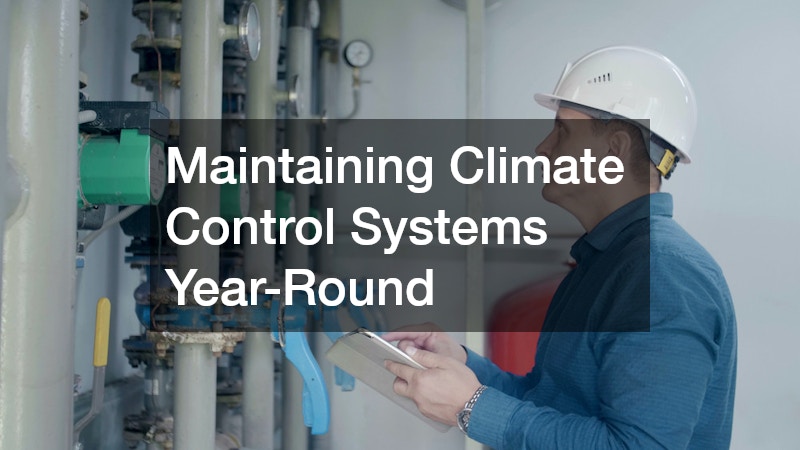
Climate control systems are essential for comfort, safety, and energy efficiency. Whether a property is residential or commercial, heating and cooling systems must operate reliably through changing seasons. Poorly maintained systems not only increase utility costs but also lead to unexpected breakdowns during peak usage periods.
Regular maintenance helps identify issues before they escalate into expensive repairs. Filters, ducts, coils, and electrical components all require routine inspection to ensure proper airflow and performance. Ignoring minor inefficiencies often results in higher energy consumption and uneven temperature control throughout the property.
Key maintenance practices include:
- Replacing or cleaning air filters on a regular schedule
- Inspecting ductwork for leaks or obstructions
- Testing thermostats for accuracy
- Cleaning condenser and evaporator coils
- Checking electrical connections and safety controls
Seasonal servicing is particularly important. Systems should be evaluated before extreme temperatures arrive to ensure they can handle increased demand. Professional inspections by HVAC companies provide expertise that goes beyond basic upkeep, helping identify wear patterns and potential failures.
Indoor air quality is another critical factor. Dust, allergens, and moisture buildup can circulate through poorly maintained systems, affecting occupant health and comfort. Routine servicing reduces these risks and supports a healthier indoor environment.
Documentation is also valuable. Keeping records of inspections, repairs, and replacements helps property owners track system lifespan and plan future upgrades. This foresight allows for budgeting and avoids emergency replacements.
Consistent climate system maintenance protects both property infrastructure and occupant well-being, making it a cornerstone of responsible ownership.
Maintaining Waterfront and Marine-Adjacent Properties
Properties located near water present unique maintenance challenges. Exposure to moisture, salt, and fluctuating temperatures accelerates wear on structures and equipment. Owners of waterfront homes, marinas, or docks must take additional steps to protect their investments.
Marine environments increase the risk of corrosion, mold, and material degradation. Regular inspections help identify vulnerabilities before they lead to structural damage. Coordination with specialized providers, including boat manufacturers, may be necessary for properties that include docks, lifts, or marine equipment.
Important maintenance considerations include:
- Inspecting metal components for rust or corrosion
- Treating wood surfaces to prevent rot
- Monitoring moisture intrusion in foundations
- Maintaining dock hardware and fasteners
- Ensuring proper drainage around structures
Waterfront properties often involve a mix of land-based and marine systems. This requires coordination between different service providers who understand the environmental demands involved. Failure to address one area can compromise others, leading to costly repairs.
Storm preparedness is another priority. Strong winds, rising water levels, and debris pose significant risks. Proactive reinforcement and regular evaluations help minimize damage during severe weather events.
Property owners should also stay informed about local regulations affecting waterfront maintenance. Environmental protections often dictate how repairs and modifications can be made.
By addressing the unique challenges of marine environments proactively, property owners can preserve functionality, safety, and long-term value.
Addressing Plumbing Issues Before They Escalate
Plumbing systems are among the most heavily used components of any property, yet they often receive attention only after problems arise. Leaks, clogs, and pressure issues can cause extensive damage if left unresolved.
Preventive plumbing maintenance focuses on early detection and responsible usage. Small leaks may seem harmless, but they can lead to mold growth, structural damage, and inflated water bills over time.
Common warning signs include:
- Slow or inconsistent drainage
- Unusual noises in pipes
- Fluctuating water pressure
- Discoloration or moisture stains
- Unexpected increases in water usage
Routine inspections by a local plumber help identify issues hidden behind walls or underground. Professional evaluations can uncover corrosion, worn seals, or improper installations before they fail.
Property owners should also educate occupants on proper usage. Flushing inappropriate materials or pouring grease down drains significantly increases the risk of blockages.
Maintenance plans may include:
- Periodic drain cleaning
- Pressure testing
- Fixture inspections
- Water heater servicing
- Shutoff valve testing
Timely plumbing care reduces the risk of emergencies and protects surrounding systems. When plumbing is treated as a preventive priority rather than a reactive fix, properties remain safer and more efficient.
Managing Overgrowth to Protect Structures and Safety
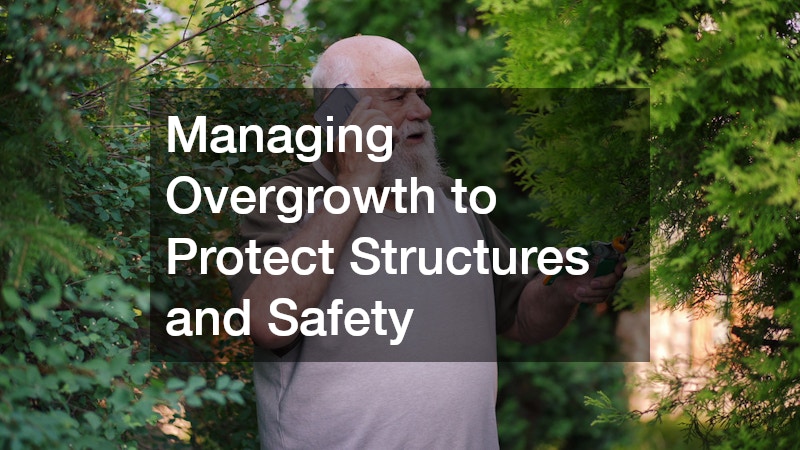
Landscaping plays a critical role in property appearance and safety, but unmanaged vegetation can quickly become a liability. Overgrown trees and shrubs threaten roofs, foundations, power lines, and drainage systems.
Regular evaluation helps identify branches or roots that pose risks. Tree trimming services are essential for maintaining clearance, promoting healthy growth, and preventing storm-related damage.
Effective vegetation management includes:
- Removing dead or weakened branches
- Maintaining clearance from buildings and utilities
- Preventing root intrusion near foundations or pipes
- Reducing fire hazards in dry regions
- Improving visibility around walkways and entrances
Seasonal timing matters. Certain trimming practices are best performed during specific times of year to avoid stressing plants or encouraging disease. Professional services understand these cycles and apply proper techniques.
Safety is another major concern. Improper trimming can result in falling limbs, personal injury, or property damage. Trained professionals use appropriate equipment and follow safety protocols to minimize risk.
Consistent vegetation management also improves drainage and sunlight exposure, benefiting both landscaping and structural integrity. Clear pathways and unobstructed signage enhance accessibility and reduce liability.
By treating vegetation as an ongoing maintenance responsibility rather than an aesthetic afterthought, property owners protect both people and structures.
Preserving Driveways, Walkways, and Access Areas
Hard surfaces such as driveways, walkways, and parking areas are critical to both safety and functionality. These surfaces endure constant wear from vehicles, foot traffic, weather exposure, and temperature changes. Without proper maintenance, small cracks and surface wear can quickly escalate into major structural problems.
Routine inspections are essential. Hairline cracks, pooling water, uneven surfaces, or crumbling edges are early indicators that repairs may be needed. Addressing these issues promptly helps prevent further deterioration and extends the lifespan of paved areas.
Effective surface maintenance includes:
- Sealing cracks before water intrusion worsens damage
- Repairing uneven or sunken areas to prevent tripping hazards
- Maintaining proper drainage to avoid standing water
- Re-striping parking areas and access zones as needed
- Scheduling resurfacing before structural failure occurs
Environmental conditions play a major role in surface degradation. Freeze-thaw cycles, heavy rainfall, and prolonged sun exposure can weaken materials over time. Proactive care helps mitigate these effects and avoids costly reconstruction.
Professional evaluations by paving companies provide valuable insight into surface condition and long-term maintenance planning. These specialists can determine whether repairs, resurfacing, or full replacement is the most cost-effective option.
Well-maintained access areas also support compliance and liability reduction. Clear, even surfaces improve accessibility for visitors, delivery vehicles, and emergency responders.
By investing in routine surface maintenance, property owners protect safety, improve appearance, and avoid disruptive repairs that interfere with daily operations.
Ensuring Reliable Water Access and Quality
For properties that rely on private water systems, maintaining reliable access is essential. Water quality and system performance directly affect health, operations, and daily functionality. Regular oversight helps prevent disruptions and ensures long-term reliability.
Private systems require ongoing monitoring to detect changes in water pressure, taste, clarity, or flow. These changes often indicate underlying mechanical or environmental issues that require attention.
Key maintenance practices include:
- Scheduling routine water testing
- Inspecting pumps and pressure tanks
- Monitoring water output consistency
- Addressing sediment or mineral buildup
- Keeping system records updated
Environmental factors such as drought, soil movement, and nearby construction can impact system performance. Early detection allows for adjustments before issues escalate into water loss or contamination.
Professional inspections conducted by a water well company provide specialized expertise. These evaluations help identify wear, mechanical failures, or water quality concerns that may not be obvious to property owners.
Maintenance planning also supports emergency preparedness. Knowing system capacity and condition allows property owners to respond quickly during outages or supply interruptions.
Reliable water access supports not only daily use but also fire safety, sanitation, and long-term property value. Regular maintenance ensures systems remain dependable and compliant with health standards.
Managing Waste Removal and Sanitation Services
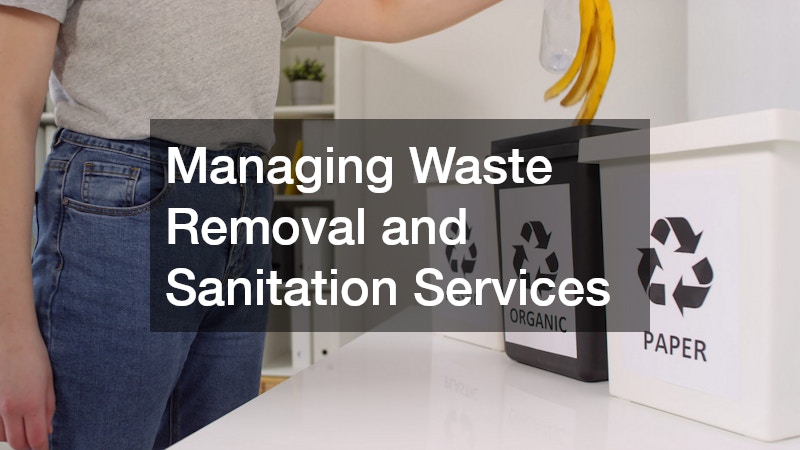
Consistent waste management is a foundational aspect of property maintenance. Improper disposal practices can lead to health hazards, pest infestations, odors, and regulatory violations. Reliable coordination ensures waste is removed safely and efficiently.
Properties generate varying amounts of waste depending on size, usage, and occupancy. Establishing appropriate service schedules helps prevent overflow and sanitation issues.
Effective waste management includes:
- Selecting container sizes suited to property needs
- Scheduling regular pickups
- Educating occupants on disposal guidelines
- Monitoring areas for cleanliness and safety
- Addressing missed pickups promptly
Working with a local garbage pickup service allows property owners to adjust schedules based on seasonal or operational changes. Flexibility is particularly important for commercial properties or multi-unit residences.
Proper waste handling also supports environmental responsibility. Sorting recyclables, managing bulk items, and following local disposal regulations reduce landfill impact and promote compliance.
Overflowing bins or missed pickups can quickly become safety concerns. Regular oversight ensures that waste areas remain accessible, clean, and compliant.
By prioritizing reliable waste removal, property owners protect health, maintain appearance, and ensure smooth daily operations.
Effective property ownership requires more than reacting to problems as they arise. It involves awareness, planning, and consistent attention to the systems that keep a property safe, functional, and efficient. From underground infrastructure to visible surfaces, each component contributes to long-term performance and reliability.
This guide highlights key maintenance areas that are often overlooked until they become urgent. By understanding how these systems work and recognizing early warning signs, property owners can take proactive steps that reduce costs, prevent disruptions, and extend the life of critical components. Routine inspections, professional evaluations, and clear documentation form the foundation of a well-organized maintenance strategy.
Preventive care plays a central role in long-term success. Small, consistent investments in upkeep help avoid larger, more stressful failures while protecting both structures and occupants. With the right knowledge and a proactive mindset, property ownership becomes more manageable, allowing owners to prioritize safety, sustainability, and peace of mind for years to come.